Table of Content
Some people call them yellow jacket bees, but in fact, they’re part of the wasp family. Yellow jackets have stripes that often cause them to be confused with honey bees, although bees tend to be rounder in appearance. Unlike bees, which create hives that produce honey, yellow jackets live in nests, which can be found in secluded areas or on the ground. Very good for treatment of insect or honeybee stings. Cut onion into thin slices then rub it to the stings. After a few minutes, stop and continue to leave the juice of onion on for 15 minutes.
To do this procedure, you should soak a little quantity of apple cider vinegar with a cotton swab and place it on the stung area for 10 to 15 minutes. Apply this juice to the sting, and it will soothe your skin. Allow to sit for 10 minutes, and then wash off with lukewarm water. Keep it for 20 minutes, till it gets dry, and then wash off with tepid water. Take 1 tsp of baking soda, and add sufficient water to form a paste.
Natural Home Remedies For Melasma Treatment
Our doctors define difficult medical language in easy-to-understand explanations of over 19,000 medical terms. MedTerms online medical dictionary provides quick access to hard-to-spell and often misspelled medical definitions through an extensive alphabetical listing. A head cold is nothing but a common cold in which the symptoms are more focused around the head and... Gone are the days when aloe vera was just a potted plant sitting on your windowsill, jazzing up your home...
The type of allergic reaction from a yellow jacket sting is systemic, meaning it affects the whole body. Systemic allergic reactions happen in individuals who produce an antibody called immunoglobulin E . Symptoms from an allergic reaction are grave and harmful, yet occur in only a small percentage. Most of the time, the inflammation will stay contained to the area of the sting and will get better in a few days. In about 10% of cases, people can experience a larger, more painful reaction to an insect sting. This is not an allergic reaction but can take longer to resolve.
Activated charcoal
Bee and Wasp Sting Bees, wasps, and fire ants are related insects that belong to the Hymenoptera order. There are thousands of species of wasps found throughout the world. Types of bees include honey bees, the Africanized honey bee , and the bumble bee.
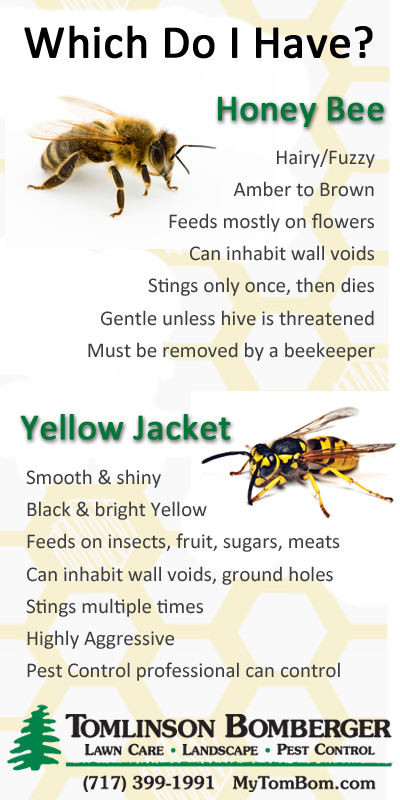
People should also avoid squashing a yellow jacket outdoors. When crushed, yellow jackets will create a kind of hormone that may alert other jackets nearby to attack you. Thus, killing a yellow jacket may result in further stings. Unfortunately, using insect repellents may also not work for yellow jackets and other insects. Contact a professional pest control company to help you remove any nest of yellow jackets nearby.
Treating Yellow Jacket Stings
This helps reduce the pain and itching within a few minutes. Baking soda and white toothpaste are commonly used for treating bee stings, but they are largely ineffective against yellow jacket stings. Some insect stings can cause a potentially life-threatening allergy known as anaphylaxis. Although they happen more often than anyone would like, many people do not know how to treat yellow jacket stings.

Let’s try using this method if you want to remove the stings safely and fast. Besides, aspirin is also beneficial for the symptoms of stings caused by yellow jackets because it can inhibit the toxin and speed up the healing process. You can repeat this process if swelling and pain persist after the treatment. One important thing to keep in mind is that whitening, gel or colored toothpaste will not work. Take one regular aspirin and using a spoon, crush it into a powder. To form a paste, mix in a few drops of water and apply it on the sting.
Home Remedies for Yellow Jacket Stings
Place this cold pack on the sting site for 10 minutes, remove it for about a minute, and then place it again for another 10 minutes. If you are out of meat tenderizer, you can gently rub onion slices over the stung area to neutralize the venom. This technique is not scientifically proven, but anecdotal evidence suggests that it works. Mix an enzyme-based meat tenderizer with water, and apply it to the wound for 10–15 minutes to offset the venom.
Such minor cases can be treated at home with basic first aid and simple kitchen ingredients. Strong fragrances and bright colors attract yellow jackets, so it’s best to avoid wearing them when going to areas with possible wasp infestations. The venom released by a yellow jacket under the skin contains certain chemicals called pheromones, which attract other such wasps to attack the same site. Therefore, you must immediately seclude yourself in a safe space after getting stung by a yellow jacket to avoid getting stung by others. Make a cold compress by wrapping some ice or a bag of frozen vegetables in a washcloth or towel.
It neutralizes the venom, and speeds up the healing process. Plus, it contains anti-inflammatory properties that help to alleviate pain and inflammation. Honey is very popular and available in many family’s kitchens. Furthermore, it is a great home remedy for yellow jacket stings that you should try. The components of honey include special enzyme can relieve the pain and the feeling of itching effectively.

You may be tempted to smash a yellow jacket to get rid of it but avoid doing this. When crushed, these insects a release a pheromone that signals other yellow jackets nearby to attack. A mild sting can cause redness, swelling, pain, itching and inflammation in the affected area.
However, it destroys the potency of the venom, which helps reduce the pain and inflammation. Activated charcoal is incredible remedy for yellow jacket wasp. Its natural absorption property helps to eradicate toxic substances from the body. Use activated charcoal immediately after getting stung by a yellow jacket to prevent swelling, as well as pain. There are a lot of conventional remedies and home remedies for yellow jacket stings. But please remember that most of them are only effective for sting victims who have little or no allergic reaction to the stings.


No comments:
Post a Comment